The Unhurried Hour: Why 3 PM Is the Best-Kept Secret in Travel
Everybody's chasing the same hours. The golden morning light at the farmers market, the buzzy dinner reservation, the bar scene that kicks off around nine. Travel itineraries are built around these peaks, and honestly? That's exactly the problem.
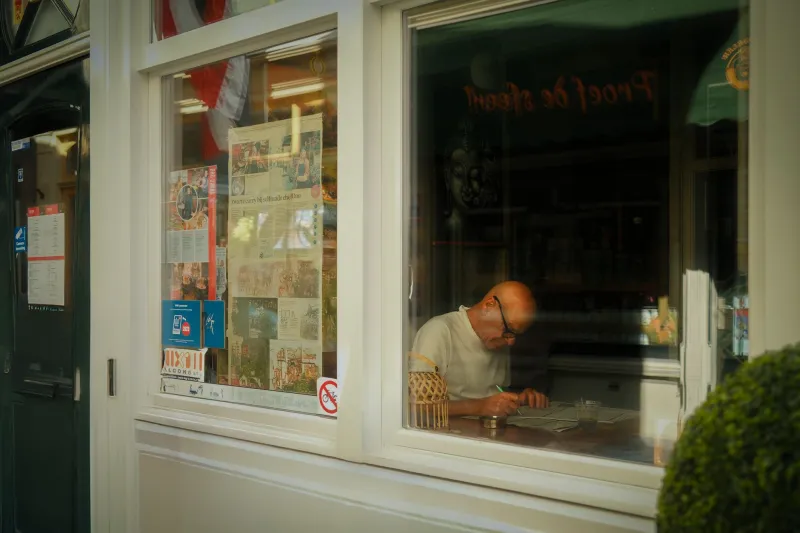
While you're plotting your evening plans or recovering from your morning tour, something quietly extraordinary is happening at 3 PM. The coffee shop two blocks off the main drag has emptied out. The bookstore owner is leaning on the counter with nowhere urgent to be. The regulars at the neighborhood lunch counter are lingering over a second cup, in no particular rush. And the guy who's lived in this city for thirty years? He's got fifteen minutes and, for once, no reason not to talk.
Mid-afternoon is the social sweet spot that almost no travel guide bothers to mention. Here's why it works — and how to use it.
The Exhale After the Rush
Think about the rhythm of a typical weekday in any American city or small town. Mornings are frantic — commutes, school drop-offs, opening routines, the caffeine scramble. Lunch is transactional. Evenings are either packed with after-work energy or retreated into private life. But that window between roughly 2 and 4 PM? That's when the pressure lifts.
Psychologists call this a natural circadian dip — the body's internal clock slows slightly in early-to-mid afternoon, which is why so many cultures historically built a rest period into the day. Americans mostly don't nap, but they do decompress. The frantic morning energy has burned off. The evening hustle hasn't started. People are, in a word, available.
For travelers trying to connect with a place rather than just pass through it, that availability is everything.
Where the Conversations Actually Happen
The venue matters as much as the timing. You're not going to stumble into meaningful exchanges at a tourist attraction at 3 PM — those places are equally crowded no matter the hour. What you're looking for are the spots that locals use as their own third places: the coffee shop they go to when they need to think, the independent bookstore they browse without buying, the community center with the bulletin board covered in hand-stapled flyers.
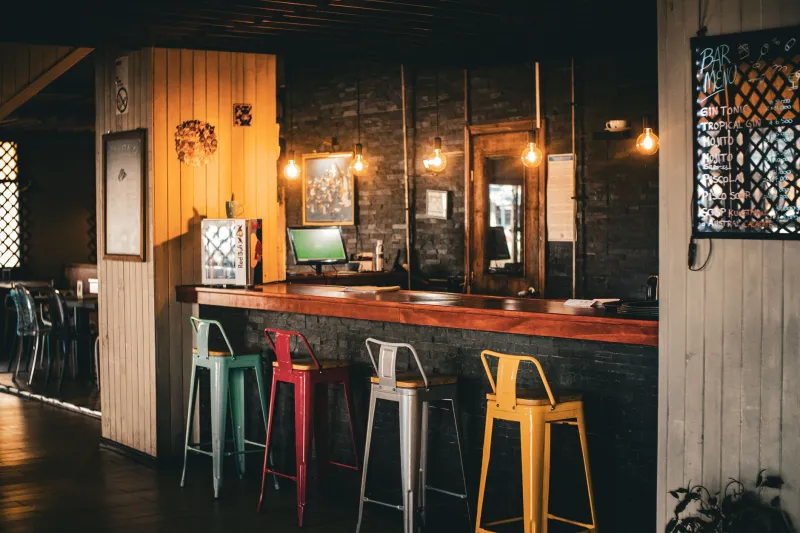
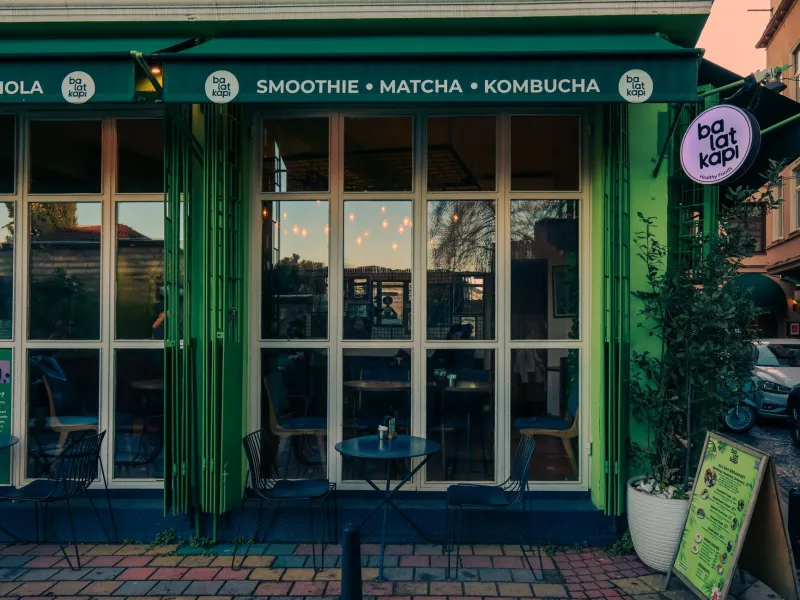
Independent coffee shops are probably your best starting point. Not the chain on the corner — the one that's been there for twelve years, with mismatched chairs and a barista who knows everyone's order. By mid-afternoon, the laptop crowd has thinned, the morning regulars have come and gone, and the person behind the counter finally has a moment to actually look up. Ask them where to eat dinner. Ask them what's happening this weekend. You'd be surprised how much a barista knows about a neighborhood's pulse.
Used bookstores are criminally underrated as social spaces. There's something about browsing that makes people oddly open — the shared context of being surrounded by other people's stories creates a natural icebreaker. A comment about a book spine can turn into a twenty-minute conversation about the city, the neighborhood, the owner's history with the place. This isn't a strategy; it's just what happens when you slow down in a quiet room with other curious people.
Neighborhood diners and lunch counters that are winding down their midday service are another goldmine. The staff is transitioning, the regulars are stretching out their coffee, and the energy is relaxed in a way it never is during a meal rush. Sit at the counter. That's the whole tip. Sit at the counter.
The Psychology of the Off-Peak Stranger
There's also something worth naming about how locals perceive travelers who show up at odd hours. Evening tourists arrive in clusters, loud and purposeful, clearly on a mission to Experience the City. Morning visitors are usually rushing too, chasing the best light or the freshest pastry. Both of these archetypes are easy to clock — and easy to mentally categorize as not really worth engaging.
But someone who wanders into a neighborhood coffee shop at 3:15 on a Tuesday? That person reads differently. They seem unhurried. They seem like they actually want to be here, not just pass through. That shift in perception — from tourist to curious person — opens doors that a packed evening itinerary never could.
Locals can tell when someone is genuinely interested in a place versus just consuming it. The mid-afternoon wanderer signals something real, even if unintentionally.
How to Actually Use This
You don't need a plan, exactly — in fact, having too much of one defeats the purpose. But a few loose principles help.
Leave the afternoon open. Seriously, don't schedule anything between 2 and 4 PM. Use that time to walk into a neighborhood you haven't researched, find a place that looks like it belongs to the people who live there, and just... stay for a while.
Bring a low-stakes reason to linger. A book, a journal, a laptop you're not actually going to use. Having something in front of you removes the social pressure of just sitting there, which paradoxically makes it easier to look up and engage when something interesting happens.
Ask the right questions. Not "what's the best restaurant in town" — locals are tired of that one. Ask what's changed in the neighborhood lately. Ask what they're looking forward to this week. Ask if there's anything happening around here that you'd never find on a travel app. These questions signal genuine curiosity, and they tend to get genuine answers.
Go back. This is the Meet in Place logic at its core: showing up once is a visit, showing up twice is the beginning of something. If you find a spot that feels right at 3 PM on day one, go back on day two. You'll be remembered. That's when the real conversations start.
The Hours Nobody's Fighting Over
Everyone wants the sunrise hike and the reservation at the hot new spot. Those experiences are real and worth having. But the hours nobody's fighting over — the slow, unhurried middle of the afternoon — are where a place actually shows itself to you.
The city you see at 3 PM is the city that exists when nobody's performing for tourists. It's the city that belongs to the people who live there. And if you show up quietly, without an agenda, with just enough curiosity to ask a decent question — there's a pretty good chance someone will let you into it.