Settle In, Stay Awhile: The Quiet Art of Belonging Somewhere for Hours
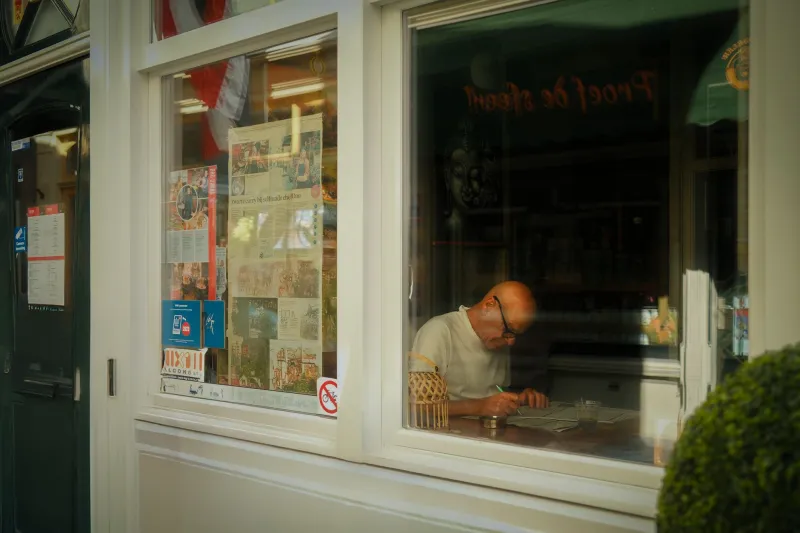
There's a particular kind of traveler guilt that kicks in around the two-hour mark. You've nursed your latte down to the foam, your laptop bag is taking up a chair, and the place has started filling up around you. You haven't ordered anything in a while. You start doing the math — how much did you spend, divided by how long you've been sitting here, divided by some imaginary social debt you feel you owe the universe — and suddenly you're packing up a perfectly good afternoon because you got anxious about existing somewhere.
Here's the thing: that anxiety is mostly invented. And learning to let go of it might be one of the most underrated travel skills there is.
Calling it "productive loitering" makes it sound like a hustle, but really it's just the art of being present somewhere long enough for it to actually mean something. The regulars at your favorite neighborhood spot back home already know how to do this. They've claimed a corner, made peace with the staff, and settled into the rhythm of the room. When you're traveling, that ease takes a little more intention — but it's absolutely learnable.
Not Every Venue Is Built for It (And That's Fine)
The first thing to understand is that not all spaces are created equal when it comes to tolerance for long-haul sitting. A fast-casual lunch spot with a line out the door during the noon rush is not your venue. A sleek hotel bar with ten seats and a $22 cocktail minimum is not your venue. Some places are built for throughput, and no amount of charm will change that.
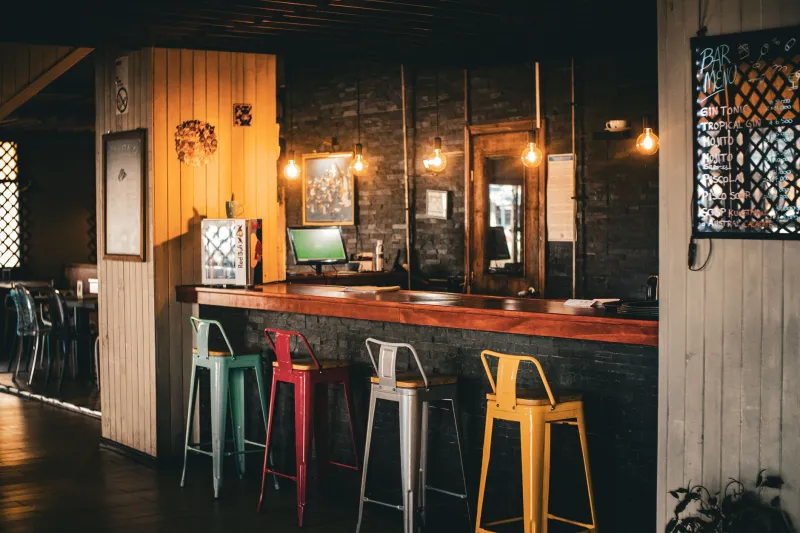
But a lot of places — more than you'd think — are actually built around the expectation that people will stay. Independent coffee shops in college towns. Bookstore cafés. Public library reading rooms. City parks with actual seating. Diners in off-peak hours. Wine bars on Tuesday afternoons. These spaces have an unspoken contract baked into their design: come in, take a load off, don't rush.
Before you plant yourself anywhere for three hours, spend five minutes reading the room. Are people working? Reading? Just sitting and staring out the window? That's your green light. If the vibe is more "eat fast, tip, leave," respect it and find somewhere else.
The Social Contract of the Long Stay
Even in the most loitering-friendly venues, there's a soft set of expectations worth knowing.
Spend something upfront. You don't have to order continuously, but starting with a real purchase — not just a glass of water — signals that you're a customer, not a squatter. A coffee and a pastry, a glass of wine, a book you were going to buy anyway. This one move buys you a lot of goodwill.
Be a good space citizen. Don't sprawl. Keep your stuff contained to your immediate area. If the place gets busy, offer to consolidate. These small gestures communicate that you're aware of the shared nature of the space — and people notice.
Make eye contact with the staff. Not in a needy way, but in a human way. A nod, a smile, a quick "thanks" when someone wipes down the table next to you. You want to be a recognizable presence, not an invisible one. Regulars aren't invisible — they're familiar. That's the difference.
Know when to top up. If you've been sitting for two hours and the energy of the place is picking back up, ordering something small — a second coffee, a sparkling water, a cookie — is a low-cost way to re-establish your standing as a paying guest. You don't have to do it on a schedule. Just read the room.
What You're Actually Doing When You Stay
Here's what gets missed in all the anxiety about overstaying: the longer you sit somewhere, the more of it you actually absorb.
The first thirty minutes in any new place, you're still orienting. You're reading the menu, figuring out the Wi-Fi, noticing who else is there. By hour two, you've settled. You start picking up on the rhythms — who the regulars are, how the staff talks to each other, what the afternoon light does to the room. You hear conversations drift past. You notice the neighborhood outside the window shift as the day changes. You stop being a tourist processing the space and start being a person in it.
That's the whole point of Meet in Place, honestly. Not just finding a spot on a map, but actually occupying it long enough to feel something. Connection doesn't happen in the ten-minute window between checking somewhere out and moving on to the next thing. It happens when you slow down enough to be findable.
Practical Moves for the Long Sit
A few things that make extended stays easier and more comfortable for everyone involved:
-
Bring something to do, but stay open. A book, a journal, a laptop with actual work on it. Having a purpose gives you a reason to be there that doesn't require constant social performance. But keep your headphones out of at least one ear. Half-available is the sweet spot.
-
Pick your seat strategically. Don't take the prime real estate — the big table by the window — if you're solo and plan to stay forever. Find a corner, a counter seat, a spot that doesn't block traffic or hog space a group could use. This is just good manners, and it also makes you feel less conspicuous.
-
Tip like you mean it. Especially if you've been there a while. This isn't about buying permission to exist — it's about acknowledging that someone's been keeping your space comfortable, and that has value.
-
Don't apologize for being there. The anxious over-explainer who keeps saying "sorry, am I in the way?" is actually more disruptive than someone who just quietly settles in and stays. Confidence reads as belonging. Own your spot.
The City Gets Smaller When You Sit Still
Something shifts when you spend a real chunk of time in one place in an unfamiliar city. You stop seeing it as a backdrop and start seeing it as a place where actual people live actual lives. The woman who comes in every day at 3pm and orders the same thing. The two guys who always take the table by the door and argue about sports. The barista who has a whole different energy by closing time.
You're not going to learn any of that in a fly-by visit. But if you give yourself permission to just be somewhere for a few hours — without guilt, without the compulsion to justify your presence with constant purchasing — you'll walk away with something no itinerary can plan for.
A sense of having actually been somewhere. Not just passed through it.